Brazilian Amazon Avoided Deforestation
 Verra VCSBrazil
Sobre el proyecto
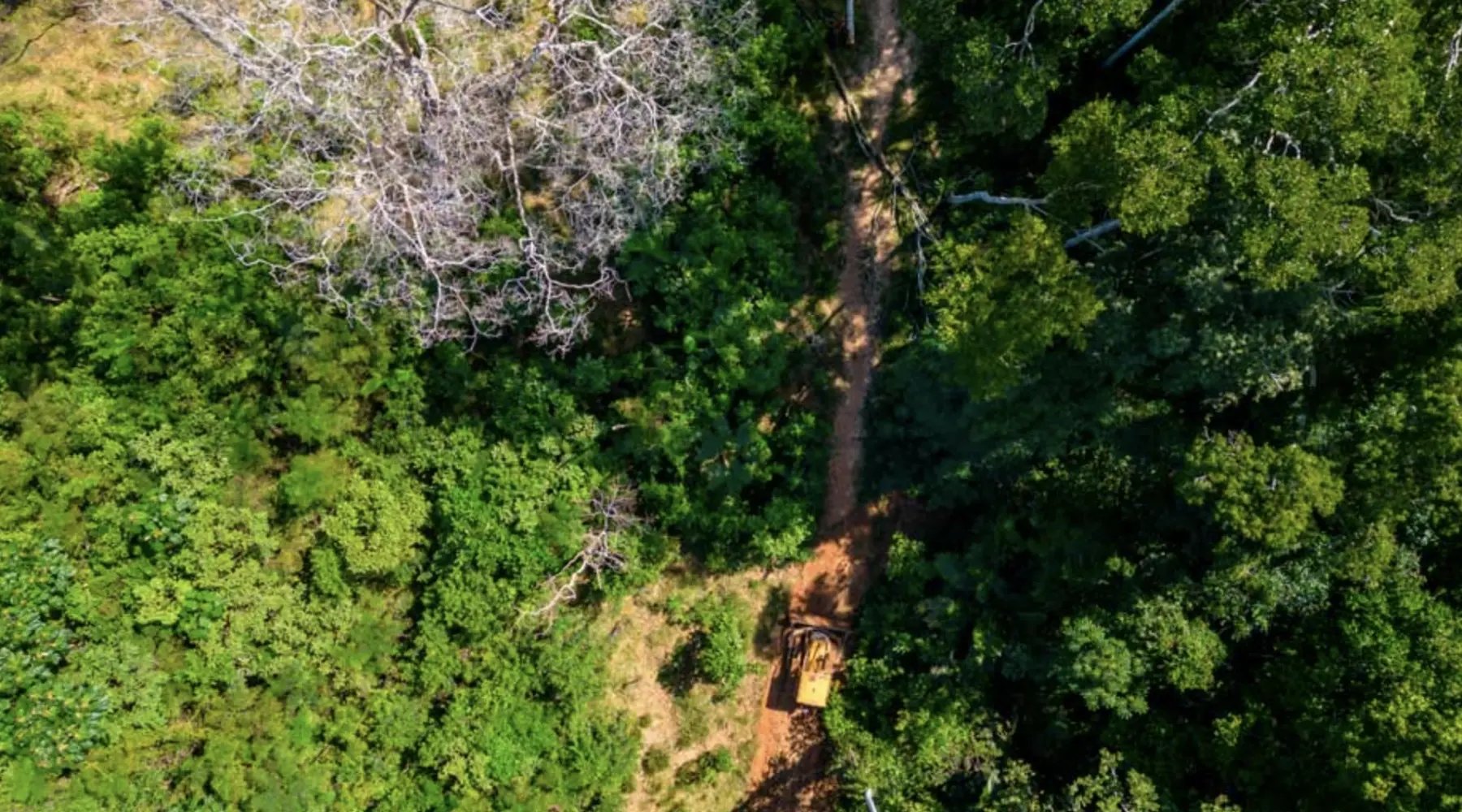
The Brazilian Amazon APD Grouped Project is a REDD+ Avoided Planned Deforestation initiative protecting 30,750 hectares of native Amazon rainforest across 15 strategically located private properties in the Brazilian Legal Amazon. The landowners involved held legal permits to clear the forest for cattle or agriculture, and chose instead to enter long-term conservation agreements supported by carbon-market revenue. The project is developed by brCarbon and registered with Verra under VCS 2551, using the VM0007 REDD+ Methodology Framework. The project avoids an estimated 812,538 tCO₂e per year and is co-certified to the Climate, Community and Biodiversity Standard at Gold Level for Biodiversity. Independent ratings sit at “A” from both BeZero Carbon and MSCI Carbon Project Ratings, signalling methodological integrity within a market segment where buyer scrutiny is high. The crediting period runs for 100 years, from 2021 to 2121, giving the project one of the longest permanence commitments on the market. Community benefits Local jobs in forest monitoring: The project supports 10 permanent local jobs directly, with more roles indirectly tied to the wider conservation work. Training and gender balance: Over 79 people have been formally trained through the project, with 48% female participation. Diversified sustainable livelihoods. Credit revenue is reinvested into community-managed programmes such as organic honey production and local artisanal flour manufacturing. Fire prevention and technical capacity: Community workshops focus on sustainable farming, forest-fire prevention and firefighting, and natural-resource management. Environmental and biodiversity benefits Shield against forest fragmentation: By protecting 15 private properties, the project maintains ecological corridors that allow large mammals such as the jaguar (Panthera onca) to roam. Gold Level in biodiversity (CCB Gold): The project tracks approximately 896 animal species, of which 346 are endemic to the reg